



TROUBLESHOOTING
Tube Feeding Tips and Helpful Videos
We have curated answers to the most common questions in the following videos and FAQs.
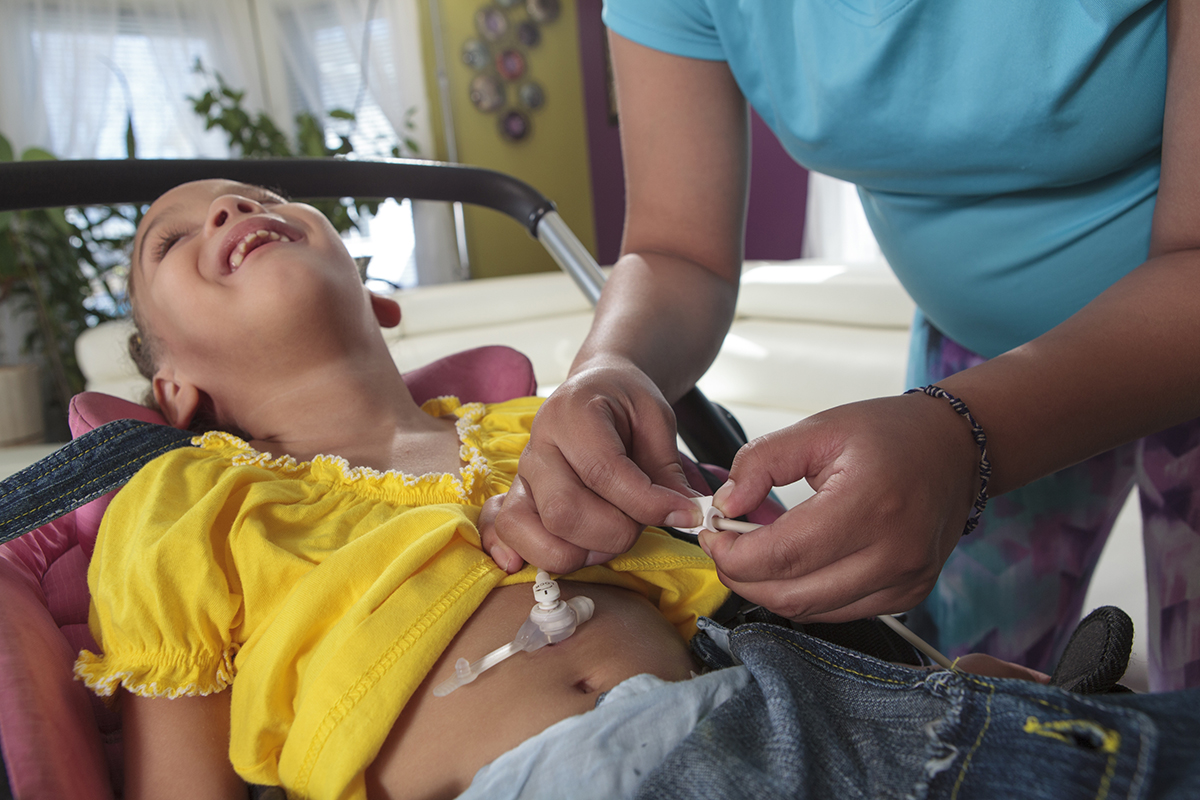
MIC* PEG Tube Maintenance and Stoma Care
MIC-KEY* G Tube Maintenance and Stoma Care
MIC* GJ Tube Maintenance and Stoma Care
MIC-KEY* GJ Tube Maintenance and Stoma Care
MIC* G Tube Maintenance and Stoma Care
MIC-KEY* G Balloon Maintenance
MIC* GJ Balloon Maintenance
MIC* G Balloon Maintenance
MIC-KEY* GJ Balloon Maintenance
MIC-KEY* G Replacing a Tube
MIC* G Replacing a Tube
MIC-KEY* G Preventing a Clog
MIC* G Preventing a Clog
How to Use the FARRELL Valve System
ENFit® Transition Adaptors
It’s an ENFit® Tube, Now What?
Frequently Asked Questions
Instructions for Use (IFU) and Patient Guides
Below you will find the FARRELL Valve System Patient Guide and a link to go to our IFU website to find all of our other patient guides and IFUs. To ensure you always have the most current information regarding your specific product, please visit our Instructions for Use website. When you arrive at the site, scroll down to view the easy-to-follow instructions and have your product part # (the REF# on your product label) ready to enter in the search box.
Patient Guide for the FARRELL* Valve System
Download PDFAll Other Patient Guides
IFU WebsiteGlossary
ASPIRATION
Accidentally inhaling liquid into the windpipe and/or lungs.
CONSTIPATION
Bowel movements that are hard to pass and can be painful.
DIARRHEA
Frequent, loose, watery bowel movements.
FEEDING PUMP
A small machine, plug-in or battery powered, that controls the amount of formula being delivered through the feeding tube.
Gastrostomy (G) Tube
A feeding tube that passes through the skin into the stomach.
Gastrointestinal decompression
The removal of gas or fluid from the stomach. It is also called “venting.”
Granulation tissue
Extra tissue that can grow around the stoma as the surgical incision heals. The extra tissue can get big or cause a lot of drainage.
Intermittent feeding
When an amount of feeding is given at set times during the day or night. This is also called bolus feeding.
Stoma
Surgical opening through which a feeding tube can enter the body.
Bolus feeding
A larger amount of feeding which is delivered through the tube over a short period of time. This is also called intermittent feeding.
Continuous feeding
A smaller amount of feeding which is delivered through the tube over a long period of time.
Esophagus
A part of the throat where food passes from the mouth into the stomach.
Feeding set
Tubing that connects the feeding container to the feeding tube.
Gastroesophageal reflux
Backing up of formula or gastric juice from the stomach into the esophagus.
Gastrostomy
A surgical opening (stoma) through the skin into the stomach.
Gravity drip
This is a way to feed in which the tube feeding flows into the stomach by gravity.
Nutrients
Food or any substance that nourishes the body. This includes protein, carbohydrates, fats, vitamins, minerals, and water.
Stomach residual
Contents of the last feeding remaining in the stomach just before the next feeding is to be given.
